Response
Emergencies
In an emergency the problem is rarely a shortage of generosity. It is that nobody knows what is needed, where, or who is already covering it.
First of all
What a front is
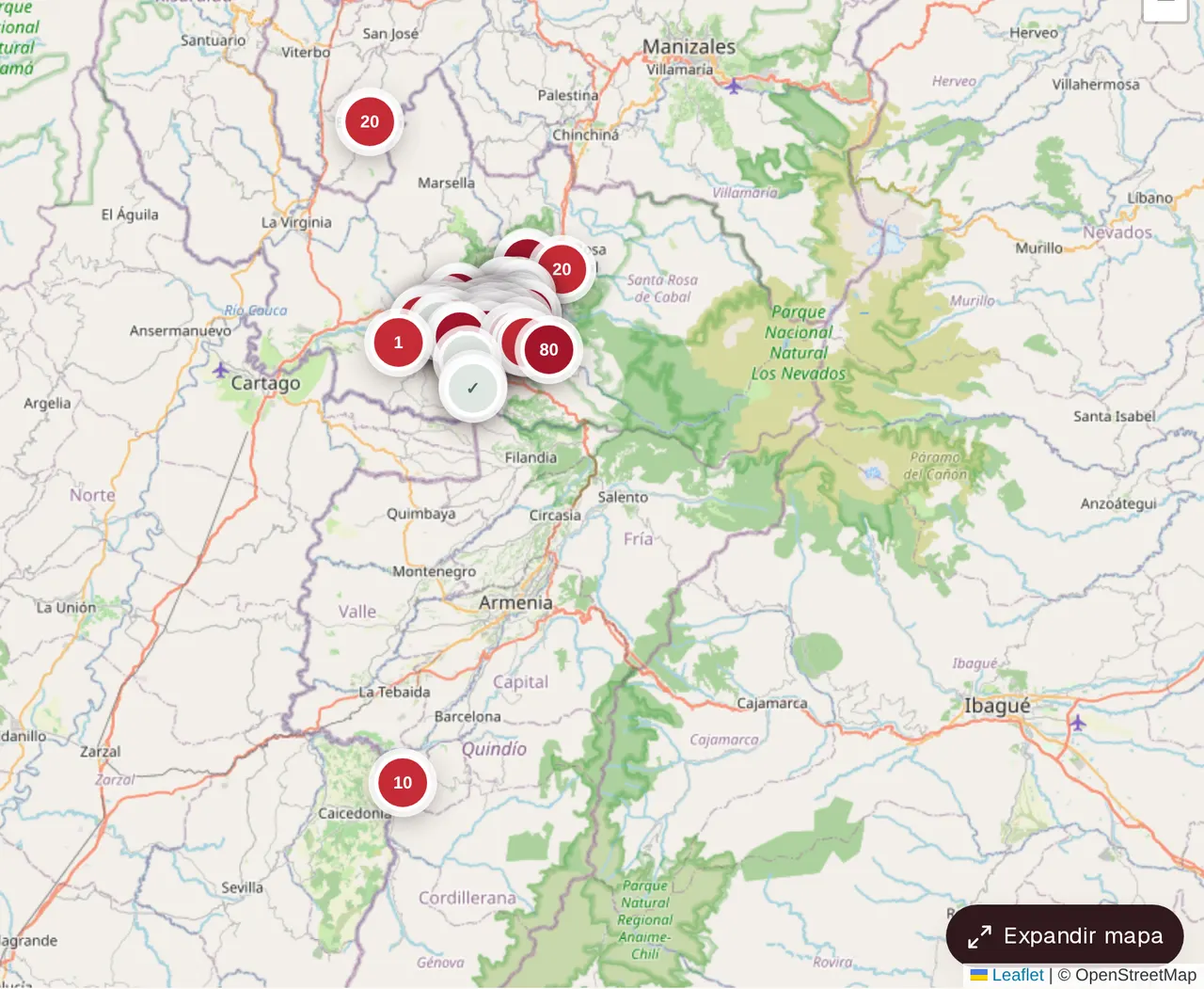
When an emergency happens, a front opens: a space with its own map of needs, its own responsables and its own figures. Everything about that emergency stays inside the front instead of scattering across chat groups nobody can audit afterwards.
Three things live inside a front: what is needed, what is being offered, and what has already been delivered with evidence. That third column is what stops twenty people carrying water to the same block while another goes without.
How to take part
If you need help
Publish the need in the relevant front. Be concrete: what, how much, where, and for how many people. A vague need takes longer to reach.
If you can help
Check the open needs before deciding what to bring. Offering what is already abundant delays what is missing.
If you can coordinate
Apply as a responsable. It requires identity validation and a verified connection to the territory, and it commits you to accounting with evidence.
When a front closes
A front does not vanish when the urgency passes. It stays as a record: what was needed, who responded, how much moved, and what evidence backs it. That memory is what lets the next emergency start with something more than goodwill.
Active fronts live in the application
There you can see what is needed right now, what is already covered, and what evidence exists for what was delivered.