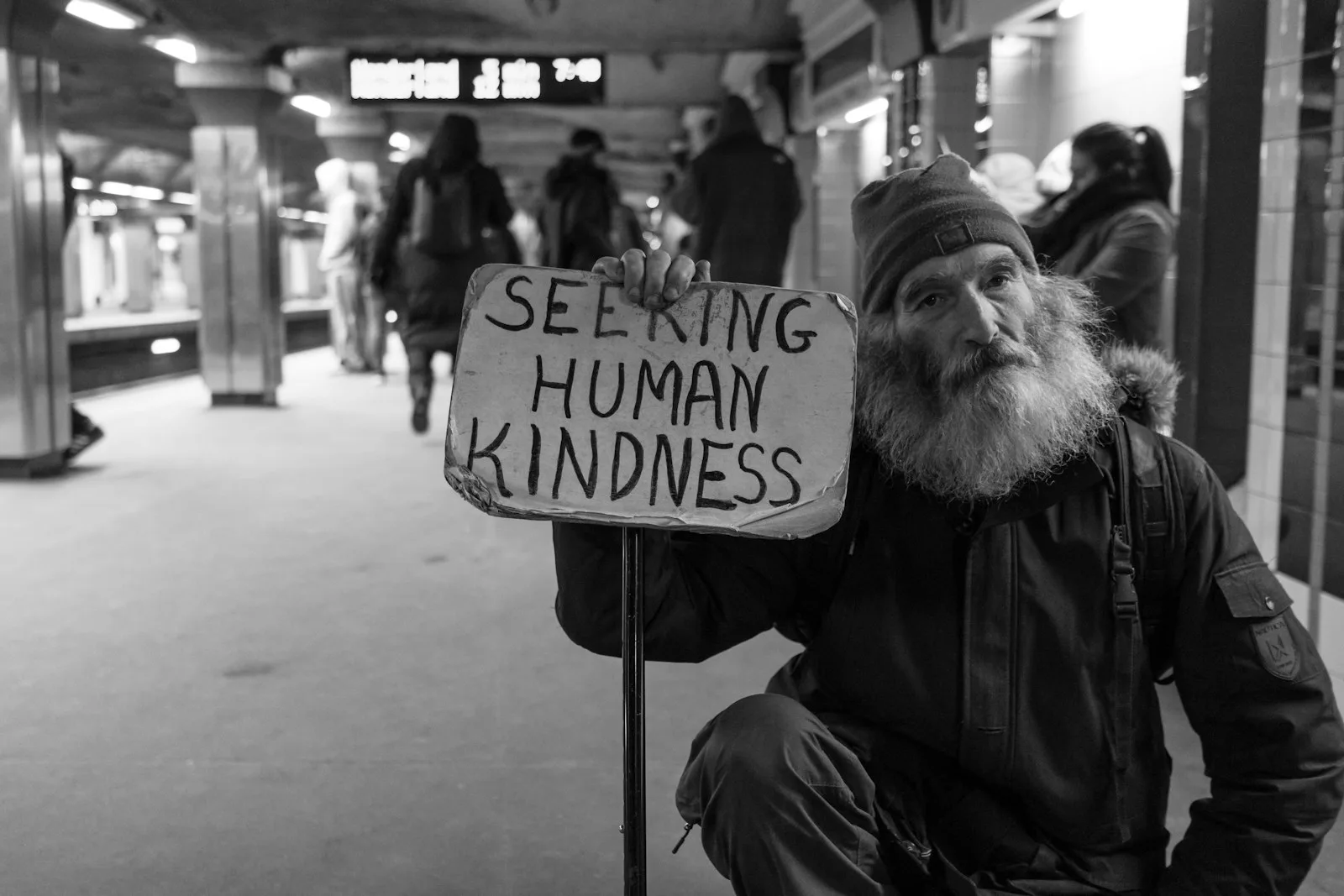
Helping one person in a vulnerable situation and helping a family in extreme poverty are different problems.
A person can receive one-off support and improve. A family in extreme poverty needs housing, health, education, food, income and emotional support at the same time. No isolated contribution resolves that.
The underlying principle: integration
Organizations working on family poverty combine components that reinforce each other.
A family with decent housing but no income remains vulnerable. One with income but no schooling for the children perpetuates poverty into the next generation. Attacking a single variable produces improvements that reverse.
That is why the most useful contribution is almost never direct: it goes through an organization with a methodology, where what you give joins a process that is already structured.
Six routes with proven impact
Social microfinance
Small loans for productive ventures: a corner shop, a sewing workshop, raising animals.
Your contribution here is not a gift. It is capital that produces returns and lifts the family out of dependency, which a monthly food parcel does not do.
Social housing
Building and improvement. Decent housing is the base for everything else: it improves health, creates the conditions for children to study, and makes it possible to run a business from home.
You can contribute resources or volunteer on collective build days.
Adult education
Letting mothers and fathers finish the primary or secondary schooling they could not complete, which opens access to better work.
If you can teach any subject, these programmes need facilitators continuously.
Business mentoring
If you have experience in business, marketing, sales, finance or administration, accompanying an entrepreneurial family for six months can be the difference between a venture surviving and failing.
One hour a week. It is among the best effort-to-result contributions there is.
Psychosocial support
Sustained extreme poverty produces trauma, hopelessness and family conflict.
Without that support, material changes do not hold. If you trained in psychology, social work or family therapy, this is where the gap is largest.
Covering the urgent while building
The most effective organizations do both: they resolve today’s need and build the capability that breaks the cycle.
These are not opposing approaches. They are different timescales of the same work.
The common mistake
Handing over money or goods directly, with no process.
It can create dependency, conflict within the community, or a use of the resources that resolves nothing for lack of information or under pressure from the surroundings. Going through an organization with a methodology multiplies the effect and lowers the risk.
The question to ask first
What do you need?
Plenty of outsiders assume what a family needs and end up offering something that does not address the real problem.
Asking, listening and respecting the decision of the person living the situation is the basis of dignified support. The most effective projects involve families in defining what will be done with them.
On dignity
People living in poverty are whole people, with histories, judgement and decisions of their own. They are not objects of charity.
How help is offered matters as much as the help. That is the difference between charity that diminishes and support that does not.
Keep reading
- How to help people in need in Colombia
- Which foundations help children at risk
- NGOs in Colombia working with vulnerable communities
At Corag, the person receiving help publishes the need in their own words. It is a design decision that answers exactly the question in the section above.